Most ecommerce teams obsess over abandoned carts. That makes sense: the average shopping cart abandonment rate is about 70%, and Baymard’s cart abandonment research has kept this problem in focus for years. But many leaks happen earlier, before the online shopping cart is ever opened.
Product page abandonment means a shopper views a product page but does not click “add to cart.” Cart abandonment occurs when items are added to shopping carts but the order is not completed. Checkout abandonment happens inside the checkout flow, often on the checkout page or payment step.
Understanding why shoppers abandon product pages matters because PDP friction becomes cart abandonment later. If an online store pays for traffic but potential customers leave before adding to cart, the business owner is losing ad spend, sales revenue, and customer data.
SalesLeak helps ecommerce businesses capture this missing signal. A lightweight exit listener asks one simple question when shoppers hesitate or leave, then turns answers into AI friction themes, sales-at-risk estimates, and practical fixes.
In this article, you’ll learn:
- The biggest reasons shoppers abandon product pages
- How PDP problems become shopping cart abandonment
- Which product page issues lead to lost sales and abandoned shopping carts
- How to use qualitative feedback with quantitative data
- How SalesLeak helps identify what to fix first
Top Reasons Shoppers Abandon Product Pages (Fast Answer)
- Price feels too high for the perceived value. Many online shoppers are comparing prices against Amazon, marketplaces, and online retailers within seconds.
- Shipping costs are unclear or too expensive. High shipping costs are the biggest reason for cart abandonment, and 25% of customers abandon carts due to shipping costs.
- Unexpected shipping costs lead to 48% of cart abandonments, while 25% of customers abandon carts due to unexpected shipping costs.
- In the UK, 46% of consumers abandon carts due to expensive delivery costs, so shipping fees need to be clear on product pages, not hidden until checkout.
- Reviews are weak, missing, or unconvincing. Using customer testimonials can significantly increase trust, while missing reviews or fake-looking reviews make shoppers abandon.
- Product information is incomplete, inconsistent, or confusing. Inconsistent product information can lead to shopper hesitation.
- Poor user experience, missing images, outdated layouts, technical issues, slow site speed, and weak payment security signals make customers abandon before they purchase immediately.
- Not everyone is ready to buy. Some visitors are window shopping, comparing prices, or using shopping carts to calculate total costs without intending to buy immediately.
- The rest of this article shows how to measure these issues with feedback tools like SalesLeak instead of guessing from analytics alone.
Price, Fees, and Perceived Value Mismatches
Price is rarely judged in isolation. Shoppers compare your product, brand, reviews, delivery speed, refund policies, and shipping options against competitors in seconds. If the value gap feels too wide, shoppers abandon before they ever create an online shopping cart.
This is especially true when unexpected costs appear late. Unexpected costs, shipping fees, taxes, and handling charges are among the most common reasons for cart abandonment. High shipping costs are the biggest reason for cart abandonment because they change the total cost after the shopper has already invested time.
Free shipping also changes behavior. 73% of customers consider free shipping critical for purchases. If you can offer free shipping, show it clearly near the price. If you cannot, explain the shipping costs early with a calculator, delivery estimate, or “Free shipping over $X” banner.
Your PDP should make cost clear within seconds:
- Show the base price, sale price, and compare-at price if relevant
- Explain taxes, shipping fees, and possible delivery costs
- Use bundles, subscriptions, discount codes, and transparent offers
- Place coupon codes or promo code fields carefully so shoppers do not leave to search for discounts
- Show delivery estimates before the checkout process starts
SalesLeak can tag responses like “too expensive,” “shipping too high,” or “waiting for a discount” so teams can see whether price is the real blocker or whether pricing clarity is the issue.
Weak Social Proof: Reviews, Ratings, and UGC Gaps
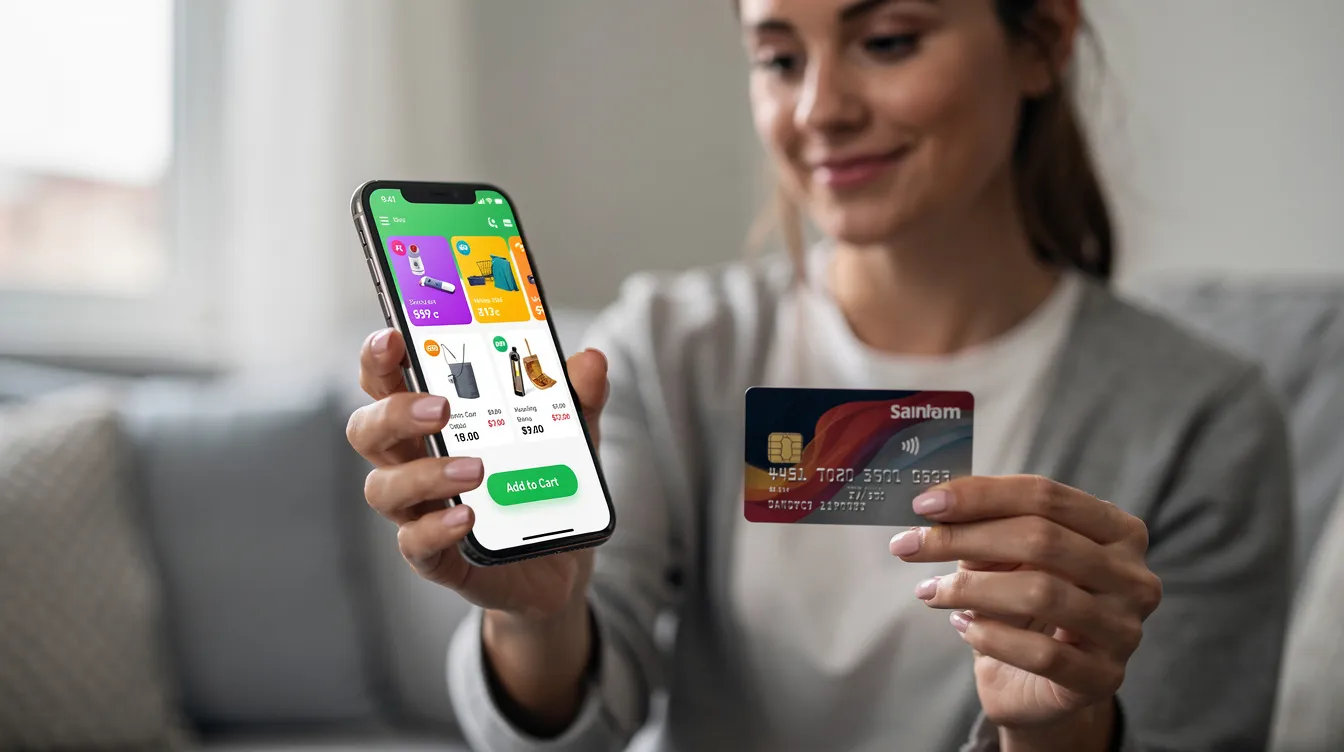
A product page without credible social proof asks shoppers to take a risk. Clear product descriptions and reviews can improve buyer confidence, while weak ratings, no reviews, or dated testimonials make shoppers lose trust.
Strong social proof includes:
- Review stars near the product title and price
- Review count and average rating
- Recent review dates
- Verified buyer labels
- Customer photos and short videos
- Q&A sections that answer objections
Younger shoppers often rely on peer reviews, creator content, and UGC. Older buyers may weigh star ratings, guarantees, support access, and refund policies more heavily. Either way, testimonials reduce perceived risk.
To earn more reviews:
- Send post-purchase emails after delivery
- Make reviews easy to submit on mobile devices
- Ask for photos or videos from real customers
- Offer small incentives without pressuring for positive ratings
SalesLeak can reveal comments like “no reviews,” “reviews look fake,” or “need to see it on a real person.” Those signals tell ecommerce businesses whether review generation should outrank other CRO projects.
Confusing, Incomplete, or Inconsistent Product Information
Shoppers visit product pages to answer practical questions: Will this fit? Is it compatible? What are the ingredients? How big is it? Will it work with my model?
Incomplete content creates hesitation. Missing dimensions, vague benefits, jargon-heavy copy, unclear sizing, and inconsistent product information across ads, feeds, and PDPs can make shoppers abandon. If an ad promises one feature but the product page says another, customers lose trust.
A strong PDP content block should include:
- A concise value proposition
- Bullet-point features
- Technical specs
- Size charts or compatibility tables
- FAQs
- Local measurements such as cm and inches
- Clear currency display for global shoppers
For example, apparel pages need sizing charts and fit notes. Electronics pages need compatibility lists such as “updated for 2026 models.” Beauty pages need ingredients and usage instructions.
SalesLeak can tag themes like “size chart unclear,” “not enough detail,” or “confusing description,” helping teams fix the exact content gaps that prevent customers from buying.
Visual Experience: Images, Video, and Page Performance
Many shoppers do not abandon because of price. They abandon because they cannot confidently picture what they are buying.
Missing images, pixelated photos, limited angles, or visuals that do not match the product create doubt. Strong product pages use multiple high-resolution images, zoom, lifestyle photos, 360-degree views, and short demo videos.
For 2026, visual standards are mobile-first:
- Use vertical video for small screens
- Compress images into fast-loading formats such as WebP
- Keep the hero image visible above the fold
- Add thumbnails without crowding the CTA
- Avoid heavy scripts that slow page loads
Website speed matters. Website performance issues such as slow loading times can disrupt the user experience, and Google has reported that bounce probability rises sharply as load time increases from one to three seconds. Site speed, layout shifts, and broken media can stop shoppers before they click anything.
A useful PDP wireframe has a hero image gallery on the left or top, a thumbnail strip close by, and video below the first decision area. Pair analytics with SalesLeak feedback to connect high exits on image-poor pages with comments like “can’t see product clearly.”

Trust, Security, and Policy Friction on Product Pages
Trust decisions happen on the product page, long before a confusing checkout or payment form. A shopper may never reach the checkout experience if the ecommerce site looks unprofessional.
Common PDP trust killers include outdated layouts, missing SSL indicators, no contact details, unclear ownership, vague delivery information, and weak payment security cues. Customers abandon carts due to missing SSL certificates, and suboptimal payment security practices lead to customer distrust.
Security concerns matter at every stage. 25% of customers abandon carts due to payment security concerns, while payment security concerns cause 17% of cart abandonments. Design flaws can increase payment security concerns, and payment security issues can lead to long-term customer loyalty loss.
Policy clarity also matters. Ambiguous return policies can increase the perceived risk of a purchase. In contrast, 66% of shoppers would spend more with a generous return policy.
Add trust signals near the buying area:
- SSL and PCI badges
- Recognizable payment icons
- Digital wallets such as apple pay
- Clear support links and live chat
- “Free 30-day returns in the US and EU”
- “Ships from our California warehouse within 24 hours”
83% of online shoppers want help while shopping, and 83% of online shoppers expect help while shopping online. 51% of shoppers are more likely to purchase with live chat support. Lack of customer support increases cart abandonment rates, while live chat support can effectively reduce cart abandonment rates. Also, 90% of customers expect customer service links on checkout pages.
SalesLeak groups phrases like “seems sketchy” or “not sure it’s legit” into trust and security friction themes.
Technical and UX Issues That Quietly Kill Product Pages
Technical problems are silent killers. They often do not show up clearly in standard dashboards, but they create a poor user experience that makes shoppers lose interest.
Common issues include:
- Broken size or color selectors
- Add-to-cart buttons that fail on specific mobile devices
- Popups blocking the product description
- Slow third-party scripts
- Overlapping form elements
- Modals that cannot be closed
- Payment options not displaying correctly
When a page crashes or a selector fails, potential revenue disappears. Lack of payment options can contribute to cart abandonment, and 42% of consumers abandon carts after a false payment decline. That kind of failure can prevent customers from returning.
Use a simple diagnostic workflow:
- Monitor error logs and broken events.
- Review session recordings where appropriate.
- Ask on exit, “What went wrong?”
- Run A/B testing to determine effective solutions for cart abandonment.
- Use customer feedback to identify dropoff points in the checkout process.
SalesLeak can quantify “technical glitch” as a friction category and estimate sales at risk, making dev priorities easier for business leaders to approve.
Behavioral Reasons: Research, Comparison, and “Not Ready Yet”
Not every abandoned visit is a failure. Some shoppers are researching, comparing prices, or saving items for later. Many people use product pages as temporary wishlists.
That behavior becomes a problem when the online store gives them no graceful next step. Add wishlist icons, “save for later,” back-in-stock alerts, and email or SMS reminders for viewed products.
Comparison-friendly product pages help shoppers make decisions faster:
- Side-by-side spec highlights
- Links to similar products
- Delivery promise comparisons
- Review summaries
- Clear warranty and refund policies
Shoppers often use their cart to calculate total costs without intending to buy immediately. That means some abandoned carts are really research behavior, not broken checkout design.
SalesLeak helps separate “not ready yet” from true friction. A shopper saying “just browsing” is different from one saying “shipping too expensive” or “I don’t trust the site.”
From Product Page Abandonment to Cart Abandonment: Connecting the Funnel
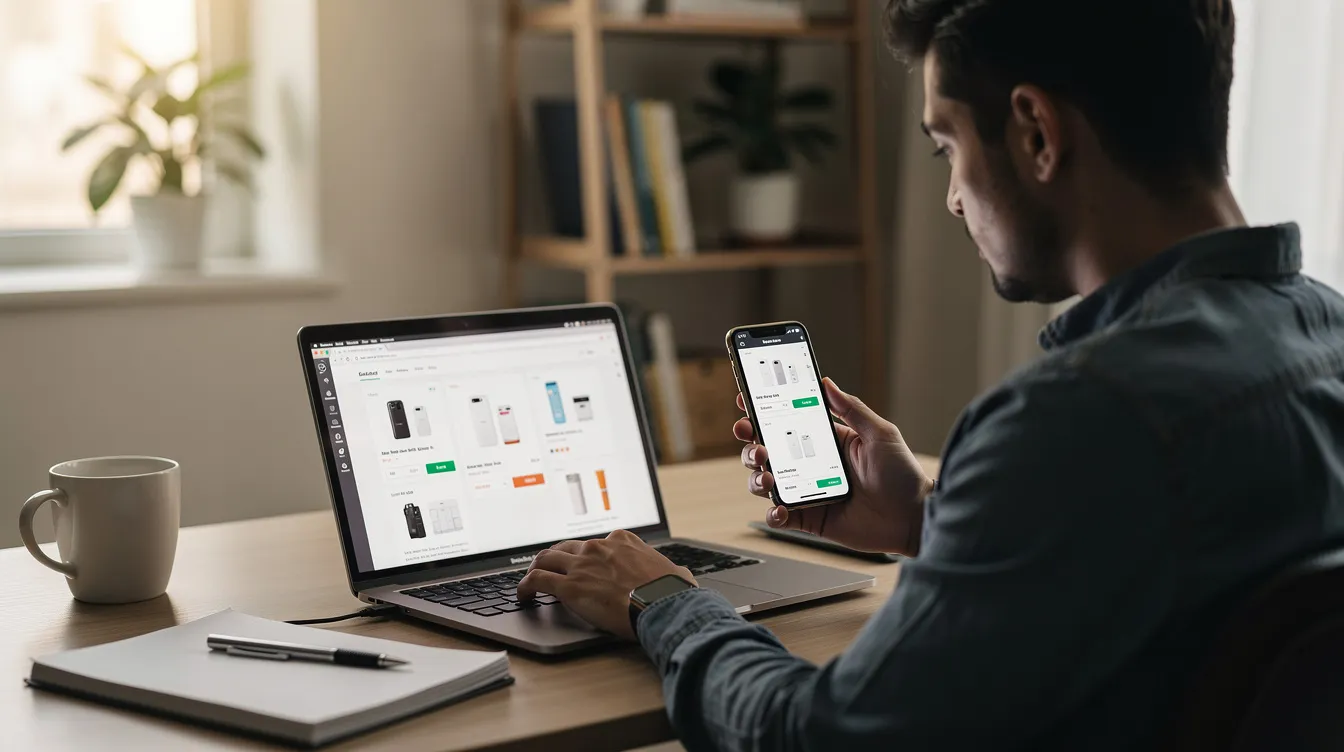
The sales funnel is simple: product page → add to cart → cart page → checkout steps → order confirmation. But most teams lump every leak under cart abandonment.
That hides the real problem. A weak PDP reduces add-to-cart rate. A confusing checkout reduces checkout completion. Complicated checkout processes create another layer of friction after the product page has already done its job.
Checkout issues still matter. 22% of customers abandon carts when forced to create an account. 22% of customers abandon carts due to account creation requirements. 22% of shoppers abandon carts when forced to create an account. Forced account creation is a significant barrier to checkout, and shoppers prefer guest-checkout options over mandatory account setups.
Offer guest checkout and make the guest checkout option visible. Ecommerce stores should streamline the checkout process to improve conversion rates. A streamlined checkout can reduce cart abandonment by 15%. You should also offer guest checkout before asking for a new user account.
Long flows hurt completion. 28% of shoppers abandon carts due to long checkout processes, and 28% of shoppers leave due to a long and confusing checkout process. The ideal checkout flow reduces unnecessary steps, keeps payment information secure, and avoids confusing checkout screens.
The average cart abandonment rate and shopping cart abandonment rate are useful benchmarks, but measure each stage separately: PDP exit rate, add-to-cart rate, checkout start rate, and completed transactions. Some estimates suggest 75% of sales are lost due to cart abandonment, so reducing PDP friction can create more sales downstream.
How to Use SalesLeak to Understand Why Shoppers Abandon Product Pages
SalesLeak is built to answer the question analytics cannot: why did they leave?
After installing a lightweight script on Shopify, WooCommerce, or a custom ecommerce store, SalesLeak listens for hesitation or exit behavior. A subtle prompt appears, the shopper types in their reasons, and SalesLeak groups responses into AI friction themes.
Example product page themes include:
- Price too high
- Shipping too expensive
- Confusing size info
- No reviews
- Does not look trustworthy
- Missing images
- Site glitch
- Need help before buying
The dashboard helps teams see:
- Theme rankings by frequency
- Estimated sales at risk per theme
- Prioritized fix suggestions for product pages
- Differences between PDP, cart, and checkout page friction
- Trends by traffic source, device, and product
Heatmaps and replays can show where shoppers clicked. SalesLeak focuses on what shoppers said in their own words. Run a 2–4 week test on your highest-traffic product pages before redesigning anything.
Practical Checklist: Reducing Product Page Abandonment
Use this checklist to reduce cart abandonment by fixing the product page first:
- Price and total cost are clear within 3 seconds.
- Shipping costs, shipping options, and delivery estimates are visible before add-to-cart.
- If possible, offer free shipping; remember that 73% of customers consider free shipping critical for purchases.
- Product pages include at least 10 recent reviews or clear customer testimonials.
- Product descriptions answer fit, sizing, compatibility, ingredients, and use cases.
- Images show the product from multiple angles and load fast on 4G.
- Hero image loads in under 2 seconds on mobile devices.
- Trust badges, payment security cues, and support links are visible.
- Payment options include cards, digital wallets, and apple pay where relevant.
- Refund policies and warranty summaries are easy to find.
- No intrusive popups cover the CTA.
- Buttons are thumb-friendly and readable.
- No broken selectors, layout shifts, or form elements block progress.
- Coupon codes, promo code fields, and discount codes do not send shoppers away from the page.
- SalesLeak feedback is reviewed weekly to confirm which fixes boost sales and create more sales.
Conclusion: Turn Abandoned Product Pages into a Conversion Advantage
Many abandoned carts begin as abandoned product pages. Pricing confusion, weak proof, missing information, slow pages, security concerns, and unclear policies all create hesitation before checkout begins.
Not everyone will purchase immediately, but fixable PDP friction turns normal browsing into lost sales. If you understand why shoppers abandon product pages, you can improve the entire customer experience and checkout process.
Start with these steps:
- Instrument your top 10 product pages with SalesLeak.
- Collect shopper feedback for the next 30 days.
- Prioritize the themes with the highest sales-at-risk.
- Test fixes with A/B testing and monitor add-to-cart rate.
- Keep improving the PDP before blaming the checkout flow.
The fastest path to better ecommerce sales is not always more traffic. Often, it is finding the exact reason shoppers leave and fixing it before they reach the cart.